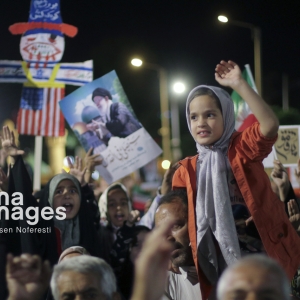





Political systems do not always govern in stable and balanced conditions. They are constantly exposed to storms that challenge the capabilities and capabilities of these systems in public administration. The most common of these special situations is military confrontation and war. Public administration in war conditions acquires special characteristics and naturally requires its own awareness and preparation.
Governance in wartime is an important issue that, despite its relevance to the situation of the country in all these years, has rarely been the focus of the country’s policy advisory system and decision-making circles; this neglect and disproportion of the various components of decision-making and decision-making of the country is itself a separate damage that must be addressed independently.
War drastically changes the values of governance; the relations and standards of governance in normal times become ineffective and even dangerous for this period. The theoretical framework of “Governance in Wartime” can be designed and explained by comparing this situation with governance in its common and ordinary sense. Governance, as the process of decision-making and policy implementation through state and non-state institutions, has fundamental differences in terms of goals, methods, and constraints in peace and war. The values of the governance system change and the priorities of public administration undergo drastic changes.